
📋 Department Overview
The Cybersecurity Department at Al-Samawa Technical Institute is a technical department aimed at preparing specialized cadres to protect systems and networks from cyberattacks, focusing on penetration testing skills, information security, and modern tools, to qualify students for work in information security and communications fields.
The department is one of the newly established programs that keep pace with digital transformation, providing students with theoretical and practical knowledge to counter advanced cyber threats and contribute to securing the digital infrastructure of institutions.
🎯 Vision, Mission & Objectives
The vision of the Cybersecurity Department is to prepare specialized technical cadres in cybersecurity, to contribute to building a generation of specialists capable of protecting systems and data from cyber threats, and to become a center for innovation and technical solutions to face the challenges of the digital age, ensuring the security of the digital infrastructure of institutions and society.
The department seeks to qualify students with advanced scientific and practical skills in protecting digital systems and developing modern applications, while instilling values of integrity, responsibility, and ethics in technical practice, ensuring information security within an educational and research environment that keeps pace with global developments and meets labor market needs.
- Graduate qualified cadres: Prepare technical specialists academically and technically in cybersecurity.
- Protect data and systems: Equip students with knowledge and skills to protect data, systems, and networks from breaches and cyberattacks.
- Counter threats: Build capacity to identify, analyze malware, ethical hacking methods, and deal with advanced cyber threats.
- Enhance information security: Contribute to securing digital infrastructure of institutions and apply best security practices.
- Practical application: Provide applied learning environments, such as labs, to train students in advanced cybersecurity techniques.
- Support various sectors: Supply government, private, and medical sectors with specialized cadres capable of providing security solutions.
- Develop security culture: Raise awareness about the importance of cybersecurity and proper security practices among institution members.
- Protect systems and networks from breaches and cyberattacks.
- Monitor information security, detect and handle vulnerabilities.
- Manage and operate applications and software within organizations.
- Prepare and update databases and ensure data integrity.
- Apply cybersecurity policies within the work environment.
- Support and maintain computer systems and applications.
- Analyze security incidents and develop preventive solutions.
🔬 Department Laboratories
Objective: Introduce students to digital logic principles and logic gates.
Practical Content: Design circuits using ICs, study counters and registers, applications on microcomputers.
Benefit: Enable students to understand the fundamentals of digital systems and computers.
Objective: Teach students programming basics and applications in engineering fields.
Practical Content: Write programs in C or Python, device control applications, system simulation.
Benefit: Develops programming skills necessary for work in computing and embedded systems.
Objective: Link engineering theories to practical applications.
Practical Content: Implement small projects combining communications, digital circuits, and programming.
Benefit: Gives students comprehensive practical experience and enhances innovation and problem-solving abilities.
Objective: Train students to design and analyze electrical circuits.
Practical Content: Experiments on parallel and series connections, current and voltage measurement using measuring devices.
Benefit: Enhance ability to deal with electrical systems in industrial and domestic applications.
Objective: Introduce students to information security principles and ethical penetration testing.
Practical Content: Simulate cyberattacks, study security vulnerabilities, use penetration testing tools.
Benefit: Develops skills to protect systems and networks and qualifies students for information security careers.
🎥 Department Promotional Video
📷 Image Gallery


📊 Staff & Student Numbers
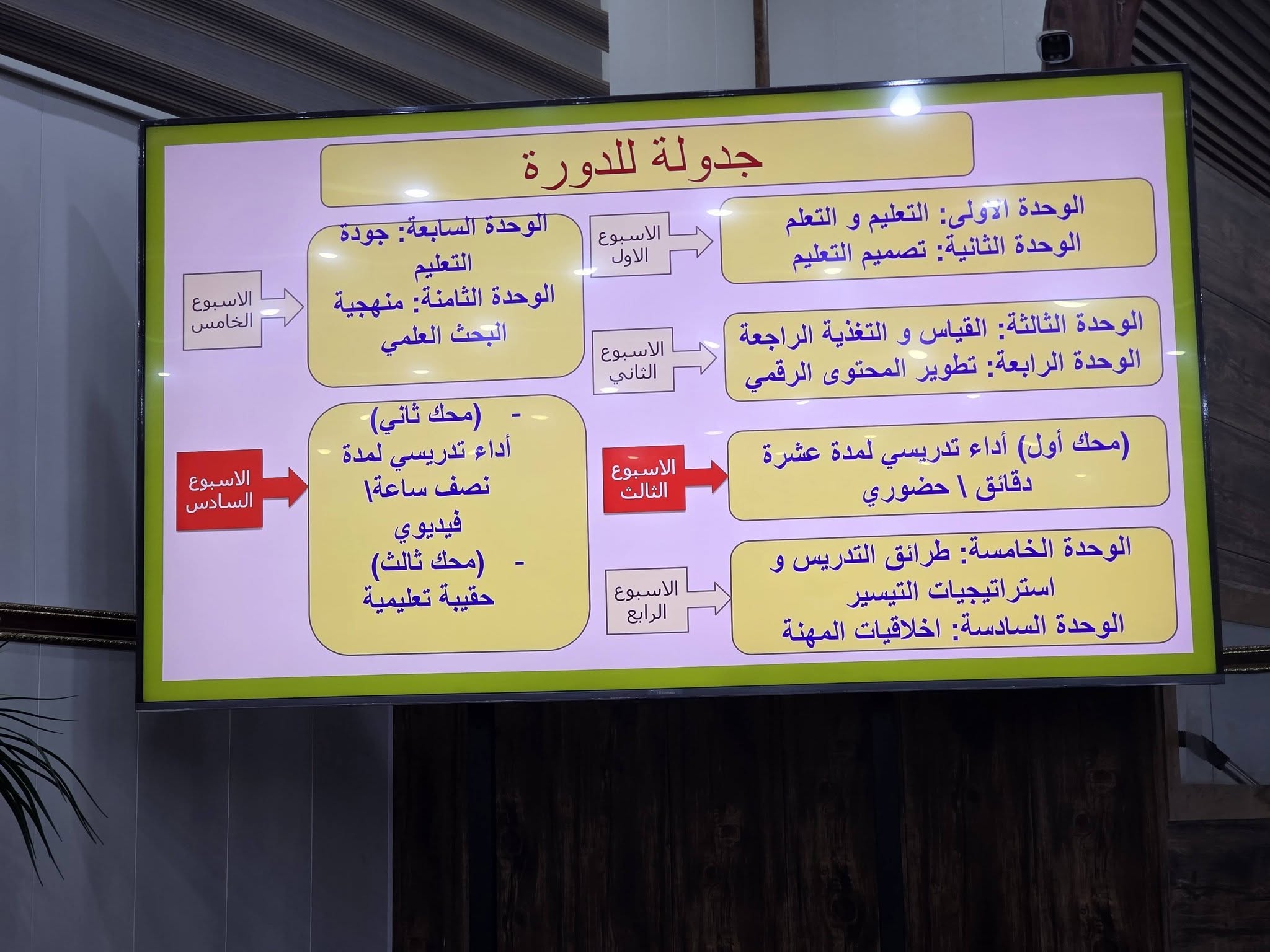
🔧 Workshops & Courses
- 📅 May 10, 2025 – Ethical Penetration Testing Course
- 📅 June 22, 2025 – Web Application Security Workshop
- 📅 July 15, 2025 – Network Security & Firewalls Fundamentals
- 📅 August 5, 2025 – Malware Analysis
- 📅 September 19, 2025 – Cybersecurity in Government Institutions
- 📅 October 2, 2025 – Incident Response & Digital Forensics

Bidaa Hadi Saoudi
Head of Cybersecurity Department
M.Sc. in Information Technology
📧 [email protected]

Farah Mahmood Qasim
Department Rapporteur
Assistant Lecturer / M.Sc. Cybersecurity
📧 [email protected]
👩🏫 Faculty Members
- 🔹 Alaa Abd Ali Hadi – Associate Professor, M.Sc., Computer Science & Networks
- 🔹 Ruwaida Fadhel Obaid – Lecturer, M.Sc., Computer Science
- 🔹 Izdihar Yasser Mohsen – Assistant Lecturer, M.Sc., Electrical Engineering
- 🔹 Salah Mohammed Awwad – Lecturer, Ph.D., Computer Science
- 🔹 Murtadha Kamil Ali – Assistant Lecturer, M.Sc., Electrical Engineering
- 🔹 Suad Abdulla Maidi – Assistant Lecturer, M.Sc., English Language
- 🔹 Hussein Ali Shakir – Assistant Lecturer, M.Sc., Computer Science