📋 About the Department
The department was established for the academic year 2023-2024 and is dedicated to graduating specialized medical personnel to work in dialysis units, where blood is purified from waste, toxins, and excess salts using an external device that mimics the human kidney in its working principle. The Dialysis Techniques Department (Dialysis) is one of the clinical medical branches that trains students on how to perform artificial kidney dialysis using a special device designed to replace the natural kidney, using intravenous solutions prepared for dialysis to remove toxic substances, excess water, and dissolved substances from the blood of individuals unable to perform these functions naturally, a condition often referred to as renal failure.
The department strives for excellence in health technical education and meeting the needs of healthcare institutions for qualified personnel in the field of dialysis, according to the latest international quality standards.
🎯 Vision, Mission & Objectives
To graduate medical personnel with a high level of scientific competence to assist kidney failure patients and provide them with health and medical services during their studies and practical training, achieving the highest levels of scientific competence for graduate students qualified to work in hospitals in general and dialysis units in particular.
The Dialysis Techniques Department strives to be the first pioneer in Iraq in graduating qualified medical personnel to work in specialized hospital units, namely dialysis units (Dialysis), in order to provide the best high-tech therapeutic services for our dear governorate and meet the current labor market requirements.
✔ Preparing specialized health technical staff in the field of dialysis.
✔ Providing students with the theoretical and practical knowledge necessary to operate and maintain dialysis devices.
✔ Promoting scientific research in the field of kidney diseases and treatment.
✔ Contributing to the development of healthcare for kidney failure patients through partnership with medical institutions.
✔ Qualifying graduates to work in dialysis centers and public and private hospitals.
- Recognizing complications and problems of dialysis catheters and controlling infectious diseases.
- Experienced in determining the correct timing to start dialysis, the required number of sessions, and how to install the dialysis machine.
- Ability to dissect the kidney as well as administer appropriate medications for dialysis patients.
- Assisting the physician in diagnostic, nursing, and therapeutic procedures.
- Using and maintaining medical devices dedicated to diagnosis, treatment, and care.
🔬 Department Laboratories
Objective: Introduce students to microorganisms and their role in health and disease.
Practical Content: Study of bacteria, fungi, and viruses using microscopes, sterilization tests, and sample culturing.
Benefit: Develops students’ skills in laboratory diagnosis and understanding infectious diseases.
Objective: Teach students the anatomical structure of the human body and organ functions.
Practical Content: Study of anatomical models, experiments on heart, lung, and nervous system functions.
Benefit: Connects theoretical knowledge with practical understanding of the human body.
Objective: Train students on the basics of medical and analytical chemistry.
Practical Content: Preparation of solutions, chemical tests on blood and urine, study of biochemical reactions.
Benefit: Develops students’ ability to understand laboratory analyses and link them to medical conditions.
Objective: Introduce students to the working mechanism of dialysis machines and their role in treating renal failure.
Practical Content: Operating dialysis machines, monitoring patients during the procedure, studying replacement fluids.
Benefit: Prepares students to work in dialysis units and provide specialized care.
Objective: Train students on basic nursing and healthcare skills.
Practical Content: Measuring vital signs, administering injections, wound care, CPR.
Benefit: Develops essential practical skills that qualify students to provide primary and emergency healthcare.
🎥 Department Promotional Video
📷 Photo Gallery



📊 Staff and Student Numbers
🔧 Workshops and Courses
- 📅 20/10/2025 – Nutrition and Kidney Health (Nutrition for Kidney Failure Patients) – Courses – Dialysis
- 📅 23/2/2026 – Transformation in Building Social Protection Foundations – Courses – Dialysis
- 📅 2025-06-10 – Emergency Response in Dialysis Centers – Courses – Dialysis
- 📅 15/9/2025 – Basics of Modern Dialysis Techniques, Types, and Challenges – Courses – Dialysis
- 📅 30/9/2025 – How to Provide Nursing Care for Patients Receiving Treatment – Workshops – Dialysis
- 📅 5-6/10/2025 – Nutrition and Biological Support – Workshops – Dialysis
- 📅 2025-09-10 – Understanding the Psychological and Social Effects on Dialysis Patients – Workshops – Dialysis
- 📅 19/11/2025 – Dialysis and Chronic Diseases – Workshops – Dialysis
- 📅 21/9/2025 – The Role of Education in Achieving Sustainable Development Goals – Seminars – Dialysis
- 📅 16/10/2025 – Discussing Ethical and Professional Issues in the Field of Dialysis – Seminars – Dialysis
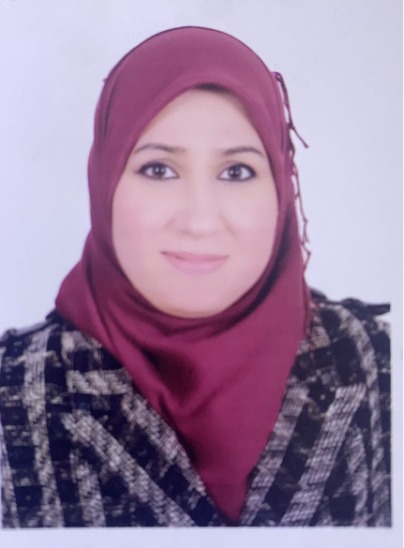
Dr. Hadeel Saeed Yaseen
Head of Dialysis Techniques Department
Lecturer / PhD in Botany
📧 [email protected]

M.M. Malaak Qasim
Department Rapporteur
Assistant Lecturer / MSc in Life Sciences
📧 [email protected]
👩🏫 Faculty Members
- 🔹 Hadeel Saeed Yaseen – Lecturer / PhD (Botany)
- 🔹 Malaak Emad Nuwea – Assistant Lecturer / MSc (Life Sciences)
- 🔹 Shaimaa Jabbar Hussein – Assistant Lecturer / MSc (Life Sciences)
- 🔹 Sabreen Falih Hassan – Assistant Lecturer / MSc (Life Sciences)
- 🔹 Karim Mohammed Kadhim – Assistant Lecturer / MSc (Community Health)
- 🔹 Samer Jabbar Farhood – Assistant Lecturer / MSc (Nursing)